Blog ·
Understanding Material Quality in Kitchen Design
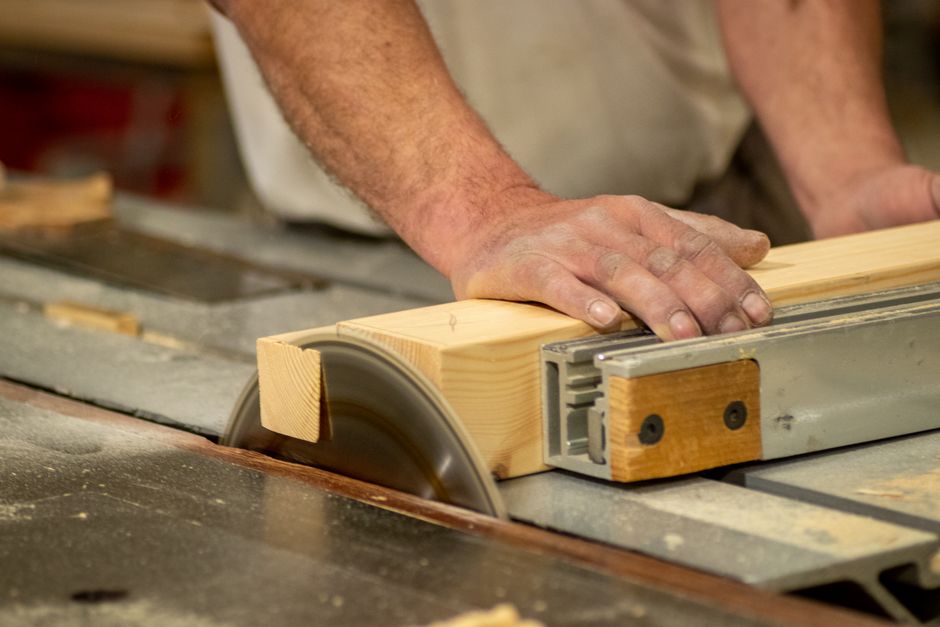
The materials you choose for your kitchen significantly impact its appearance, durability, and how it evolves over time. Understanding the differences between materials helps you make decisions that align with your lifestyle and expectations.
Selecting Cabinet Materials
Cabinet materials form the foundation of your kitchen's look and function. Solid wood develops character as it ages, often becoming more beautiful with time. Engineered materials offer stability and consistency, resisting warping that can occur with natural wood in kitchens' humid environments. Your choice should reflect both your preferred aesthetic and your climate. High-quality construction matters more than the specific material—poorly made solid wood cabinets won't outperform well-constructed engineered alternatives.
Countertop Considerations
Countertop selections involve balancing aesthetics, durability, and maintenance requirements. Some materials reveal wear patterns that many find charming, while others maintain uniform appearance. Others demand specific care routines to prevent damage. Understanding these characteristics helps you choose surfaces you'll genuinely enjoy living with long-term, not just initially admire.
Kitchen Flooring Options
Flooring in kitchens must withstand moisture, spills, and heavy foot traffic. Harder materials resist gouges and scratches better, but softer materials may feel more comfortable underfoot during long cooking sessions. Consider both the initial appearance and how your chosen material will look after years of use and cleaning.
Don't Overlook Hardware
Hardware—handles, knobs, and hinges—represents a significant but often overlooked element. Quality hardware functions smoothly and reliably through thousands of uses. Choose styles that complement your overall design while prioritizing function over fashion.
Backsplash Material Selection
Backsplash materials protect your walls while offering design flexibility. Easy-to-clean options make kitchen maintenance more realistic. Materials that hide grease and splatters gracefully reduce the mental load of keeping your kitchen feeling fresh.
When evaluating any material, ask how it will look after five, ten, or twenty years of real use. Will minor wear add character or create eyesores? Will it require specialized cleaning or maintenance you'll realistically perform? Will it still appeal to you, or is your interest primarily based on current trends? Quality materials and quality construction work together. A premium material with poor installation won't serve you well, while quality craftsmanship applied to mid-range materials often outperforms poorly installed luxury options. Invest in both material quality and skilled installation for the most durable and beautiful results.